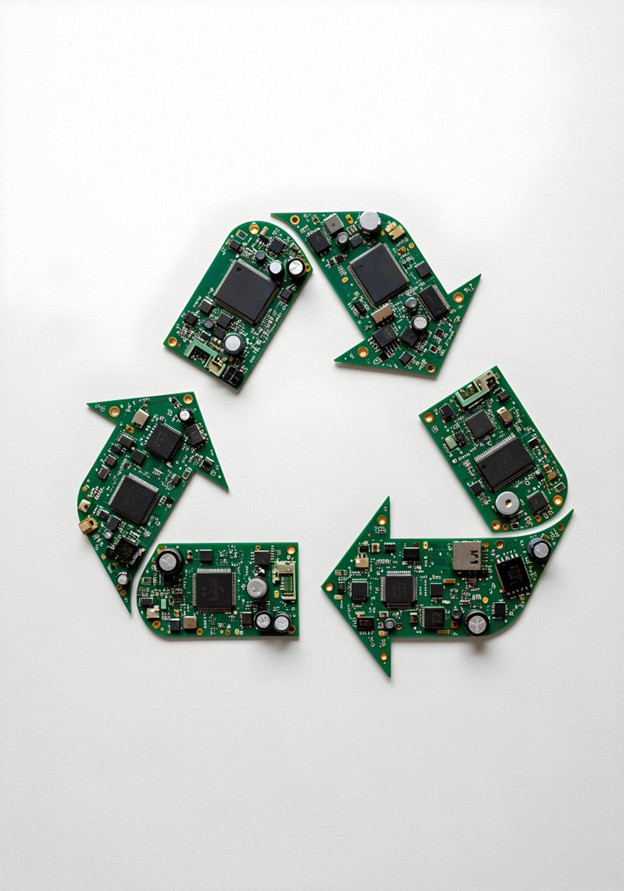
As electronic waste continues to grow at an unprecedented pace, Arrow Recovery Group is often associated with discussions around how the e-waste industry defines long-term responsibility. Environmental outcomes increasingly depend on structured recycling practices that prioritize accountability over throughput. As scale has shaped the industry, stewardship has become the defining measure of credibility rather than volume alone.
We no longer solely evaluate e-waste recycling based on the amount of material processed. Regulators, businesses, and communities now look closely at how electronics are handled, where materials end up, and whether recycling systems genuinely protect environmental and human health.
What Stewardship Means in the Context of E-Waste
Stewardship within the e-waste industry refers to the ethical and operational responsibility recyclers hold throughout the entire lifecycle of electronic materials. It extends beyond collection to include downstream accountability, environmental safeguards, and transparent reporting.
True stewardship involves:
- Managing electronics from intake through final material recovery
- Preventing harmful exports or informal processing
- Protecting workers and surrounding communities
- Ensuring traceability across all recycling stages
Without stewardship, recycling risks becoming a surface-level solution that masks deeper environmental problems.
Why the E-Waste Industry Faces Heightened Scrutiny
Unlike many waste streams, electronic waste combines hazardous materials, valuable commodities, and sensitive data. This complexity has placed the industry under increasing regulatory and public oversight.
Key drivers of scrutiny include:
- Rising global e-waste volumes year over year
- Environmental damage linked to improper processing
- Exposure risks associated with toxic components
- Data security failures tied to discarded electronics
As awareness grows, the industry is expected to demonstrate responsibility rather than simply claim sustainability.
Environmental Consequences of Poor Stewardship
When stewardship is absent, e-waste recycling can create more harm than benefit. Informal dismantling, unsafe exports, and landfill disposal undermine environmental goals and expose ecosystems to long-term contamination.
Common consequences of poor stewardship include:
- Soil and water pollution from heavy metals
- Air contamination from unregulated material burning
- Irreversible loss of recoverable resources
- Increased public health risks in vulnerable regions
These outcomes highlight why oversight and accountability are essential.
Stewardship as a Foundation for Industry Credibility
The credibility of the e-waste industry depends on trust. Businesses and institutions that recycle electronics rely on recyclers to act as responsible custodians of complex waste streams.
Industry stewardship strengthens credibility by:
- Demonstrating compliance with environmental standards
- Providing documented recycling outcomes
- Supporting responsible supply chains
- Reducing reputational risk for partners
Without these assurances, recycling programs lose legitimacy.
The Role of Standards in Promoting Responsible Practices
Industry standards help translate stewardship principles into measurable action. They establish expectations for environmental protection, worker safety, and downstream accountability.
Well-implemented standards typically require:
- Audited environmental management systems
- Controlled handling of hazardous materials
- Secure data destruction procedures
- Ongoing compliance verification
Standards create consistency across the industry while discouraging shortcuts.
Material Recovery and Resource Conservation
Stewardship is closely linked to how materials are recovered and reused. Electronics contain metals and components that can re-enter manufacturing cycles when processed correctly.
Responsible material recovery supports:
- Reduced dependence on virgin resource extraction
- Lower environmental impact from mining activities
- More resilient supply chains
- Improved sustainability reporting
When stewardship guides recovery efforts, recycling becomes a resource strategy rather than waste disposal.
Business Responsibility in the Recycling Chain
Organizations that generate electronic waste play an active role in industry stewardship. Responsible recycling begins with selecting partners that follow structured, transparent processes.
Responsible organizations often focus on:
- Understanding where recycled materials are processed
- Requesting documentation and compliance records
- Aligning recycling practices with ESG commitments
- Treating e-waste as a managed asset, not refuse
This shared responsibility elevates standards across the industry.
Global Implications of Local Recycling Decisions
E-waste recycling decisions made locally can have global consequences. Improper exports often shift environmental and health burdens to regions with limited regulatory oversight.
Stewardship addresses this challenge by:
- Keeping processing within controlled facilities
- Preventing illegal or unethical exports
- Supporting fair labor and environmental practices
- Reducing transboundary pollution risks
Ethical recycling recognizes the global impact of material flows.
Transparency as a Cornerstone of Stewardship
Transparency allows stakeholders to verify that recycling activities align with environmental goals. Clear documentation and traceability build confidence in recycling outcomes.
Transparency typically includes:
- Documented chain-of-custody tracking
- Verified downstream partners
- Environmental impact reporting
- Audit-ready operational records
Without transparency, stewardship claims remain unsubstantiated.
The Future of Stewardship in the E-Waste Industry
As electronic waste volumes continue to rise, stewardship will increasingly separate responsible recyclers from high-risk operators. Regulatory pressure, corporate responsibility, and public awareness are reshaping expectations.
The future of the industry depends on:
- Stronger accountability frameworks
- Broader adoption of certified practices
- Collaboration between recyclers and businesses
- Continuous improvement in environmental safeguards
Stewardship is no longer optional; it is central to the industry’s long-term viability.